
Navigating TRT Clinics in Indianapolis After Low Testosterone Labs
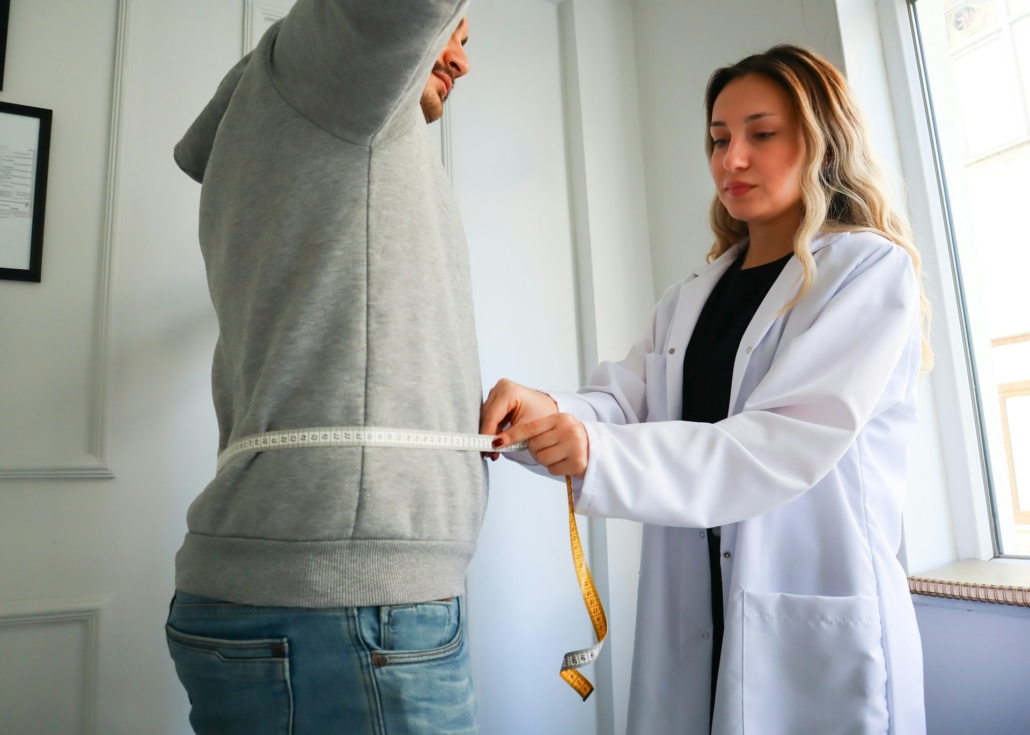
Regain Your Energy After Low Testosterone Labs
Hearing that you have low testosterone can feel confusing and a little scary. Many men around the Indianapolis and Noblesville area describe feeling tired, less driven, less interested in sex, or just “off” long before they ever see a lab result. When a blood test then confirms low testosterone, it can feel like everything suddenly makes sense, but it can also raise a lot of questions.
Low testosterone is a medical condition. It is not a weakness, and it is not a moral failing. Hormone levels shift for many reasons, and for some men, testosterone replacement therapy, or TRT, can be one part of feeling better. The key is thoughtful evaluation and careful follow up. Not every option is the same. A physician-led TRT clinic in Indianapolis will usually approach treatment differently than a quick, sales-focused setting that centers on speed rather than your long-term health.
Understanding What Your Low Testosterone Result Really Means
When someone says “you have low T,” they are usually talking about your total testosterone level on a blood test. Sometimes we also look at free testosterone, which is the portion not tightly bound to proteins and may better reflect what your body can use. Timing matters too. Testosterone is usually highest in the morning, so early morning labs are often preferred, and repeat testing can help confirm a true low value.
Many symptoms blamed on “low T” can come from other health issues. Before starting TRT, it is important to look at the whole picture, such as:
- Poor or fragmented sleep
- High stress or burnout
- Depression or anxiety
- Certain medications
- Thyroid problems
- Obesity or large weight changes
- Untreated sleep apnea
Some of these problems can lower testosterone. Others can feel like low testosterone even when levels are normal. This is why a careful review of your medical history, medications, lifestyle, and full lab panel is so important. Treatment should not be based only on a single lab or an online quiz. A physician-directed plan starts with listening, examining, and confirming that TRT is actually the right step.
How a Physician-Led TRT Clinic in Indianapolis Should Work
At a medical, physician-directed TRT clinic, your first visit should feel unhurried. You should have time to explain what has changed in your energy, mood, sleep, sex drive, and daily function. A focused physical exam and a real conversation about your health history help shape next steps rather than a one-size-fits-all protocol.
An evidence-based TRT plan usually includes:
- Baseline labs, such as testosterone, blood counts, PSA when appropriate, and other hormones or metabolic markers
- Clear discussion of possible risks and benefits
- Shared decision making based on your goals and values
- An individualized starting dose and plan for follow-up labs
- Regular monitoring and dose adjustments over time
This is very different from rushed, sales-driven settings that may:
- Push testosterone after a short visit, or with little history
- Skip testing like PSA or hematocrit that helps track safety
- Focus on memberships, add-ons, or aesthetic upsells, instead of your long-term health
TRT is medical care. It deserves the same careful thinking as any other long-term treatment.
Comparing TRT Choices in the Indianapolis and Noblesville Area
For men considering a TRT clinic in Indianapolis, it helps to know the common treatment options. Each has trade-offs, and the “best” choice usually depends on your lifestyle, comfort, and how your body responds.
Common TRT delivery methods include:
- Injections, which can be done in the clinic or at home on a set schedule
- Gels, applied to the skin daily, with careful attention to application sites and exposure to others
- Patches, worn on the skin and changed regularly
- Pellets, placed under the skin by a physician, slowly releasing testosterone over time
All of these can work, but they differ in convenience, how steady the hormone levels are, how often labs and adjustments are needed, and how easy they are to stop or change. That is why it is important to talk through pros and cons with a physician who is not tied to a single method.
When choosing a TRT clinic, possible red flags include:
- Guaranteed results or “miracle” claims
- Large supplement bundles that feel mandatory
- Long-term, locking contracts
- Promises to “reverse” or “cure” aging, instead of managing a specific condition
A thoughtful practice will instead focus on physician oversight, transparent expectations, and care that may also include lifestyle changes, weight management support, and sleep review, without pushing cosmetic or unrelated services.
Safely Combining TRT with Weight Loss and Overall Health
Low testosterone and excess weight often interact. Extra body fat can affect hormone balance, and low testosterone can make it harder to build muscle or stay active. For some men, treating low testosterone and working on sustainable weight management together can support better overall health and well-being.
Medical weight loss may include nutrition guidance, movement planning, and when appropriate, prescription options such as GLP-1 medications. These medicines can help some people reduce appetite and support weight loss, but:
- Results vary from person to person
- They work best with healthy eating and activity
- They should be used under medical supervision
Alongside hormones and weight, joint pain and mobility also matter. Some patients ask about options like BMAC or regenerative care that use their own cells. These treatments are not FDA-approved for joint conditions, and expectations should stay realistic. Any discussion of these approaches should be open about the limits of current evidence and the experimental nature of such care, so you can make an informed choice.
Questions to Ask Before You Choose a TRT Clinic
Before committing to a TRT plan, it helps to bring a written list of questions. Any clinic that is a good fit should welcome this and answer without pressure. Consider asking:
- Who will be prescribing my testosterone and following my care over time?
- How often will my labs be checked, and which labs will you monitor?
- What are your criteria for starting TRT, and what might make you recommend stopping it later?
- How do you monitor side effects, such as changes in hematocrit, PSA, blood pressure, or mood?
- How will we address fertility concerns if I want children in the future?
- What is the plan if my symptoms do not match my testosterone levels?
It is reasonable to expect time for questions, second thoughts, and adjustments. You should not feel rushed into treatment or pressured into extra services that do not match your goals. A good TRT partner will focus on your long-term health, not just your next visit.
Reclaim Your Energy And Well-Being With Personalized TRT Care
If you are ready to address low testosterone with safe, medically guided treatment, we are here to help you take the next step. At Village Osteopath, we combine thorough evaluation with individualized care plans so you understand every option before moving forward. Schedule your first visit with our TRT clinic in Indianapolis and start moving toward better energy, mood, and long-term health.


Leave a Reply
Want to join the discussion?Feel free to contribute!